



STAINLESS STEEL COMPOSITION TEST

Stainless steel is widely used in fence components and accessories that require corrosion resistance and reliable material performance. Grades such as 304 and 316 differ in their chemical composition and performance characteristics.

Giant Fence conducts a stainless steel composition test using a handheld spectrometer to verify the material grades of stainless steel wires, bolts, clips, and other components. The analyzer measures the material’s elemental composition, helping determine whether it matches the specified stainless steel grade.

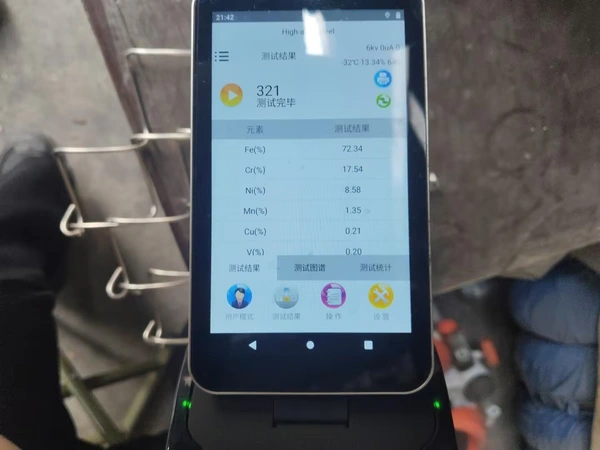
Handheld spectrometer displaying stainless steel composition test results.
TEST PURPOSE

This test verifies the chemical composition and grade of stainless steel materials and components used in fencing products. The test helps to:

  • Identify whether the tested material is 304 or 316 stainless steel.
  • Verify that supplied materials meet the specified requirements.
  • Check the material grades of stainless steel wires, bolts, clips, and other accessories.
  • Identify potential material mix-ups during procurement or production.
  • Support consistent material quality across the finished fencing system.
TEST PROCEDURE

The stainless steel composition test follows these steps:

  1. Sample selection: Select stainless steel wires, bolts, clips, or other components for testing.
  2. Surface preparation: Ensure the test surface is clean and suitable for measurement.
  3. Spectrometer testing: Place the handheld spectrometer’s measurement window against the material surface and perform the analysis.
  4. Elemental analysis: Measure the material’s elemental composition, including chromium, nickel, molybdenum, and iron.
  5. Grade identification: Compare the measured composition with the requirements for the relevant stainless steel grades to determine whether the material is 304, 316, or another grade.
  6. Result recording: Record the results for material verification and quality control.
WHAT THE TEST EVALUATES

This test assesses five aspects of stainless steel material quality:

  • Chemical composition: Measures the elemental composition of the tested material.
  • Material grade: Helps distinguish between stainless steel grades such as 304 and 316.
  • Material compliance: Checks whether the material meets the specified requirements.
  • Component consistency: Verifies that wires, bolts, clips, and other stainless steel components are made from the specified material.
  • Quality traceability: Provides measurable data to support incoming material inspection and production quality control.

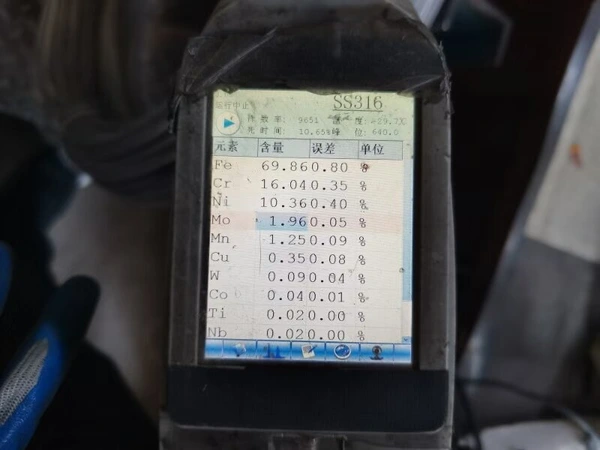
In the video, the spectrometer displays the measured elemental composition and identifies one tested sample as SS316, providing a reference for verifying its material grade.

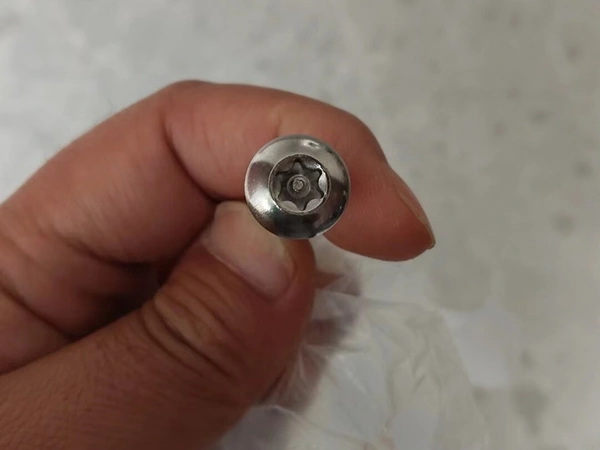
Security screw sample for a stainless steel composition test.
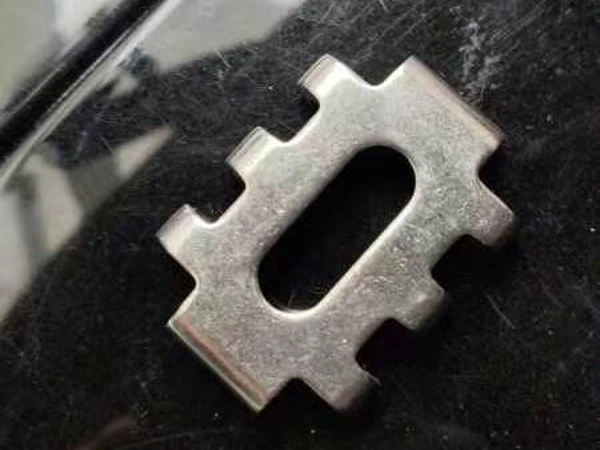
 Metal clip sample for a stainless steel composition test.
Stainless steel composition test results displayed on a handheld spectrometer.
MATERIAL VERIFICATION FOR RELIABLE FENCE QUALITY

Material identification is an important part of Giant Fence’s quality control process. By verifying stainless steel composition with a spectrometer before or during production, we help ensure that wires, bolts, clips, and other components meet the specified material requirements and reduce the risk of material mix-ups.

TEST VIDEO

Stainless Steel Composition Test